
What can you do in Palma (Mallorca) when you only have one day? The Mallorcan capital combines a medieval old town, Modernist buildings, historic courtyards, markets and cultural attractions that can be linked together in a fairly convenient route. The key is to plan the itinerary carefully and keep in mind how much time is available.
One day is enough to discover many of Palma’s most characteristic corners. This article therefore presents some of the iconic places that anyone visiting Mallorca’s capital should see.
A one-day itinerary around Palma de Mallorca
To begin with, it is worth planning carefully what you are going to visit in Palma. The following itinerary is just one example, but it has been designed to cover a full day, approximately from 9:00 am to 6:00 pm.
- 09:00 am: Mercat de l’Olivar
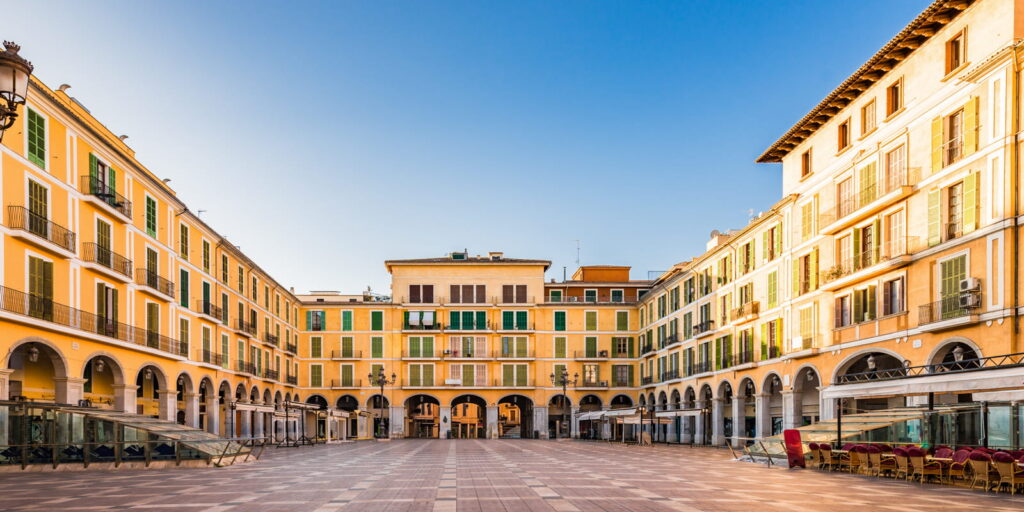
- 9:45 am: Old town and Plaça Major
- 10:15 am: Plaça de Cort
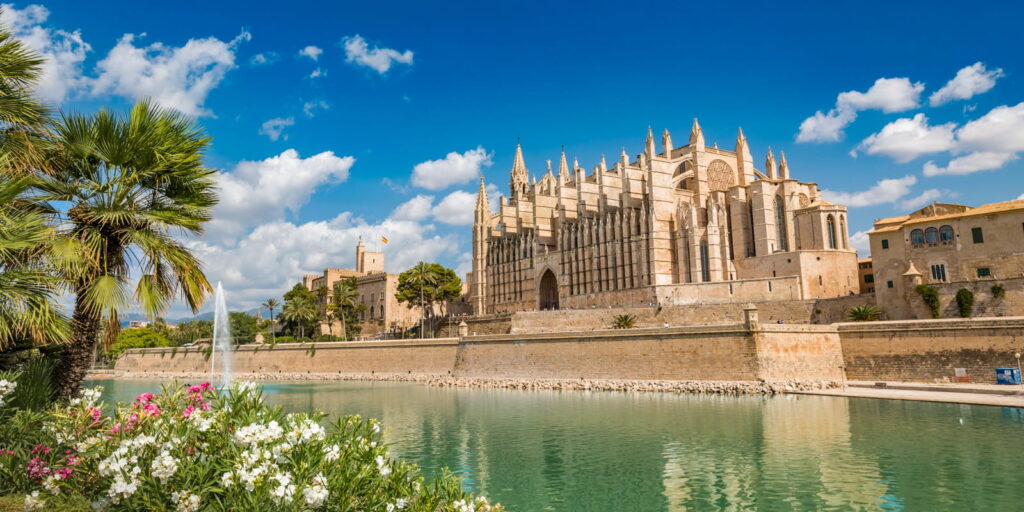
- 10:45 am: Parc de la Mar and Mallorca Cathedral
- 12:00 pm: Royal Palace of La Almudaina
- 1:00 pm: Arab Baths
- 1:45 pm: Lunch break
- 3:30 pm: Es Baluard or Bellver Castle
- 5:30 pm: Final walk along Passeig del Born, La Rambla or the area around the city walls.
Naturally, these times are approximate. The amount of time spent at each stop will depend, for example, on whether you go inside the Cathedral and La Almudaina or simply admire them from the outside.
Mercat de l’Olivar
How should you start the day in Palma? With a local breakfast. Mercat de l’Olivar is located in the city centre and is home to stalls selling fresh produce such as fish, vegetables and meat. However, it also has bars where visitors can enjoy breakfast.
- Its stalls sell fish, meat, fruit, vegetables, cheese and cured meats
- Some areas allow visitors to eat or sample products inside the market itself
- From here, you can continue towards Plaça Major and the old town
- Opening times should be checked before visiting, particularly on public holidays
Palma’s old town
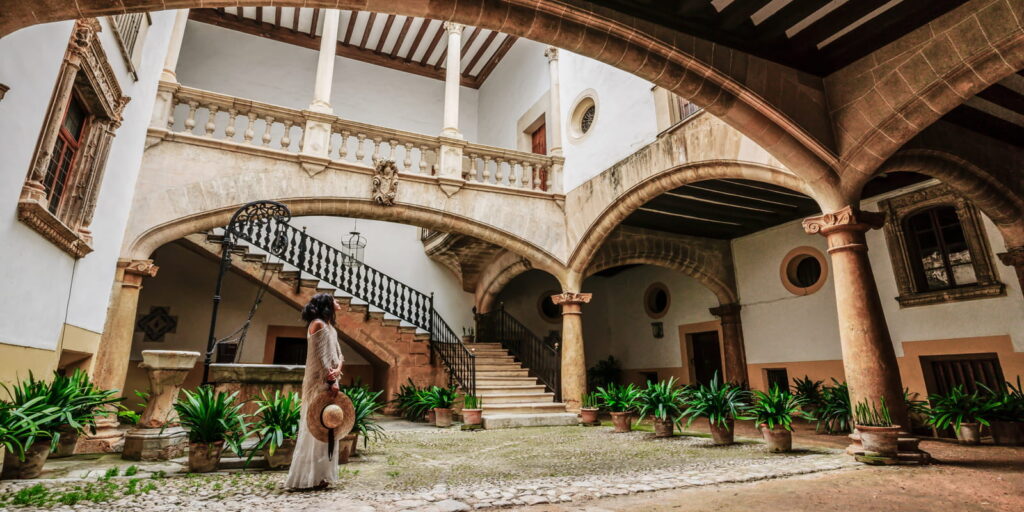
After visiting the market, the route enters Palma’s old town, where its narrow streets reveal a combination of medieval, Baroque and Modernist architecture. One of the best options is to choose a street at random, wander around the historic centre and pay attention to its courtyards, balconies and façades.
- The walk can begin on Carrer de Sant Miquel and Plaça Major
- Can Forteza Rey is one of the most recognisable Modernist buildings in the area
- Some historic courtyards can be viewed from their entrances without going inside the buildings
- Comfortable footwear is recommended for walking along the cobbled streets

Plaça de Cort
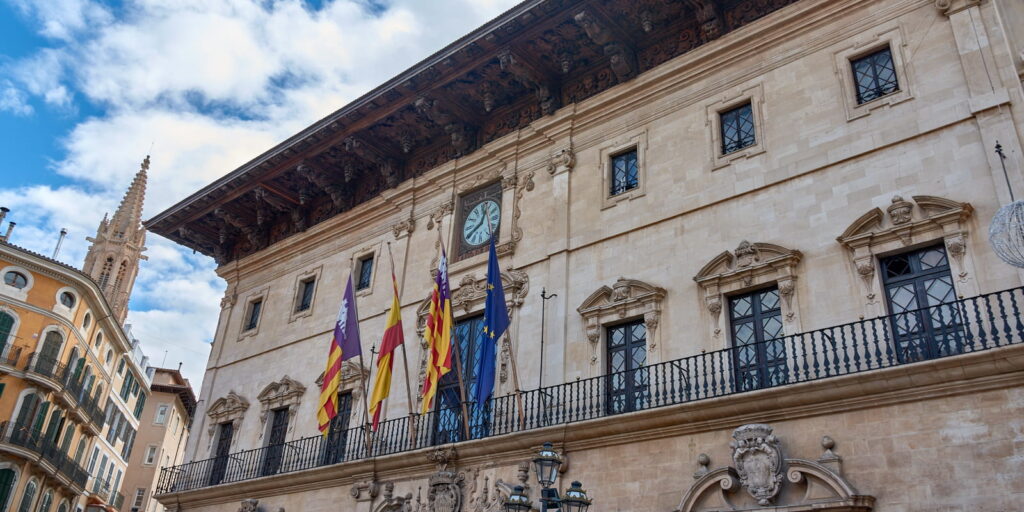
Next, Plaça de Cort is one of the central points along the route. The square is dominated by Palma City Hall and an ancient olive tree that has become one of its most recognisable features.
- The façade of the City Hall combines Gothic, Baroque and Modernist elements
- On the façade, visitors can find the stone bench known as the banc d’en Sinofós. Its name comes from the Mallorcan expression “si no fos per…”, meaning “if it were not for…”
- Popular tradition associates this bench with people who would sit in the sun while coming up with excuses not to work
- The area around the Cathedral can be reached within a few minutes from the square
Mallorca Cathedral
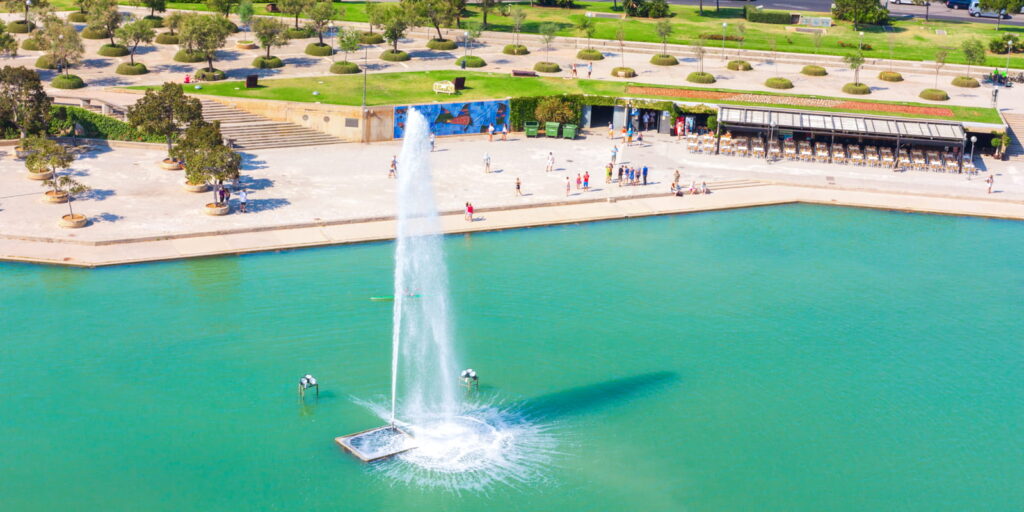
After exploring the streets of the city centre, the route continues towards Mallorca Cathedral, known locally as La Seu. Before going inside, Parc de la Mar offers an excellent view of its silhouette beside the city walls and helps visitors understand its position overlooking the Bay of Palma.
- The exterior is best viewed from Parc de la Mar
- Inside, highlights include the central nave, the rose window and the stained-glass windows
- The Cathedral contains work associated with Antoni Gaudí and Miquel Barceló
- A visit to the interior usually takes approximately one hour
- During the busiest months, it is advisable to book tickets in advance
Opening times vary depending on the season and the day of the week. The Cathedral has a specific calendar for visits and religious festivities, so it is advisable to check it before planning your day.
Royal Palace of La Almudaina
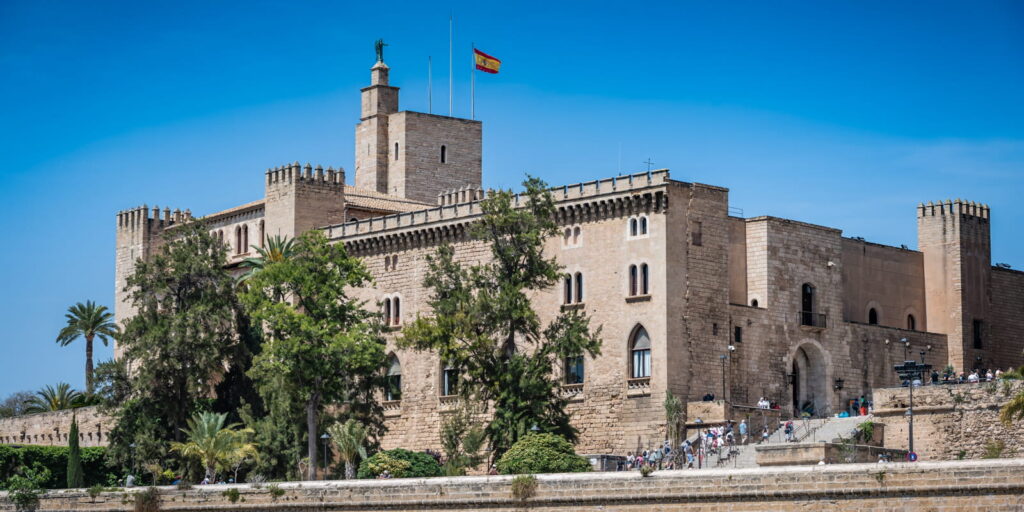
The Royal Palace of La Almudaina stands next to the Cathedral, making it easy to combine both visits. The building preserves spaces connected to its Islamic past and its subsequent transformation into a royal residence.
- The tour includes courtyards, halls, a Gothic chapel and terraces
- The Patio de Armas is one of the palace’s main spaces
- Some areas offer views of the sea, Parc de la Mar and the bay
- A shorter, selective visit can be completed in approximately 45 to 60 minutes
Interestingly, La Almudaina remains the King’s official residence during his stays in Mallorca, although the King and Queen usually spend more time at Marivent, another palace located to the west of Palma.
La Almudaina is usually open from Tuesday to Sunday, although it may occasionally close for official events. It is advisable to check its website for confirmation, where the days and times for free admission are also listed.
Arab Baths
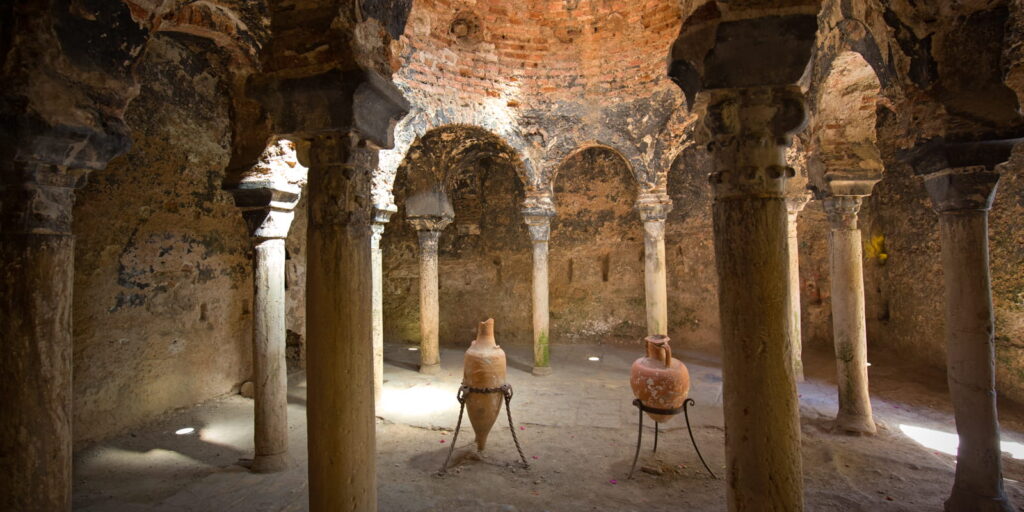
The Arab Baths offer a more intimate experience than the larger monuments mentioned above. They are located in the garden of Can Pit and are among the most important surviving examples of Muslim architecture in Palma.
- The main room is covered by a dome with small openings
- Several columns support the arches of the former bathing area
- The garden provides an opportunity to take a break before continuing the route
- The entrance is on Carrer de Can Serra, within the old town
This site helps visitors understand the period when Palma was known as Madina Mayurqa, before the Christian conquest of Mallorca in 1229.
Es Baluard
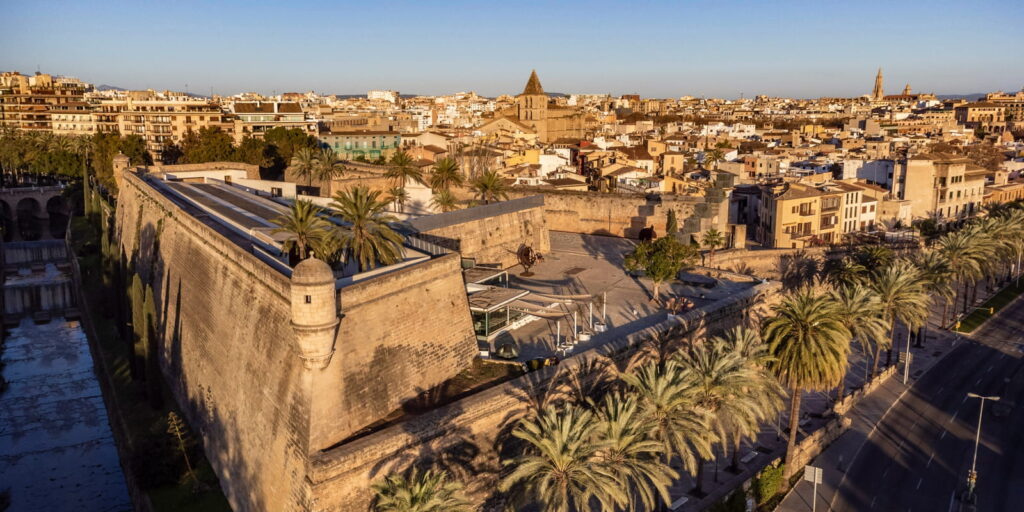
For visitors interested in art and culture, Es Baluard is the best-known option. The museum is integrated into the former Sant Pere bastion, a location offering exceptional views over the city and the bay.
- A visit can take between one hour and an hour and a half
- The building connects contemporary architecture with the old city walls
- The museum houses a permanent collection and temporary exhibitions
- After the visit, you can walk back towards Passeig del Born or La Rambla
Es Baluard is currently open every day except Monday. On Sundays, however, its opening hours are more limited. It is always advisable to check the official website to confirm the current timetable.
Bellver Castle
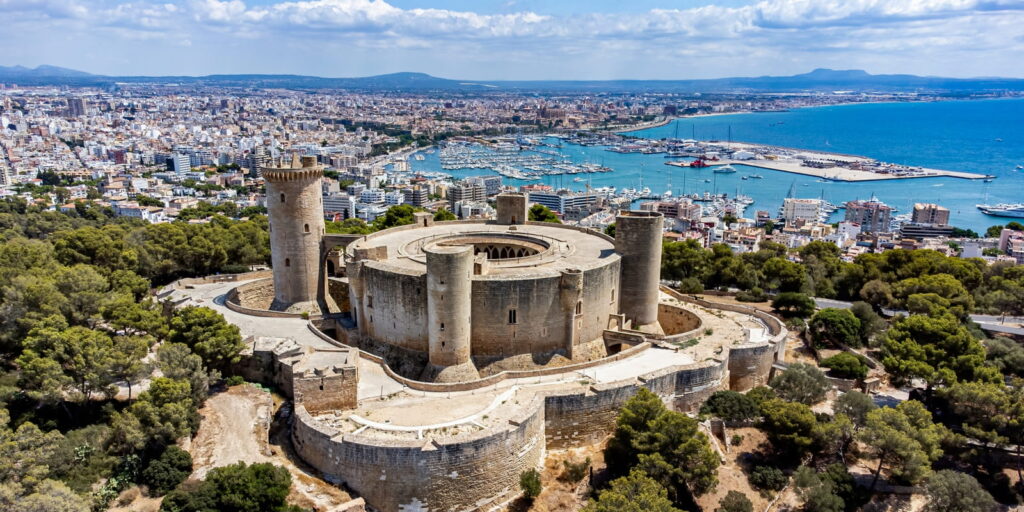
Bellver Castle, on the other hand, is a suitable option for anyone who would prefer to end the day with panoramic views of Palma in a more natural setting. As it is located on higher ground outside the historic centre, an additional journey by bus, taxi or private vehicle is required.
When there is enough time, a walk through Bellver Forest, which surrounds the entire castle, is highly recommended.
- The castle has an unusual circular layout
- Its upper section offers 360-degree views of Palma and its bay
- The City History Museum is located inside
Bonus: Santa Catalina
When there is still some time left before ending the day and returning to the hotel, there is one fashionable Palma neighbourhood that is well worth visiting: Santa Catalina.
Santa Catalina was traditionally a seafaring neighbourhood. Today, however, it is a multicultural area with a wide range of restaurants, as well as the traditional Santa Catalina Market.
- Santa Catalina is a traditional neighbourhood that has become increasingly fashionable in recent years
- The area has a wide variety of restaurants, making it an excellent option for lunch or dinner
- Santa Catalina Market is an essential stop for anyone interested in discovering local produce
How to get to Palma from the Fido hotels
Transport to Palma will affect the actual amount of time available for the visit, particularly when travelling from Cala d’Or. For this reason, it is advisable to calculate journey times carefully to ensure that there is enough time to see everything you want to visit.
From Fido Punta del Mar
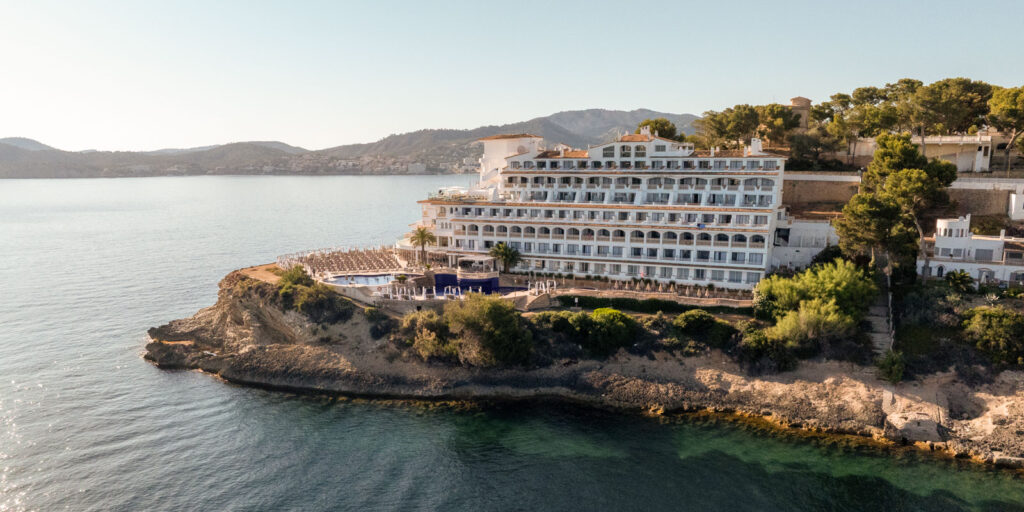
From Fido Punta del Mar, located in a privileged setting in Santa Ponça, visitors can travel to Palma on TIB bus route 103. TIB is the Balearic Islands’ public transport operator and manages bus services throughout Mallorca.
For greater convenience, however, travelling by car or taxi is highly recommended. Bear in mind that some areas of the city centre are restricted to residents. You will therefore need to park either in one of the underground car parks around Avenidas or in a blue-zone parking space.
From Fido Tucán or Calimera Fido Gardens
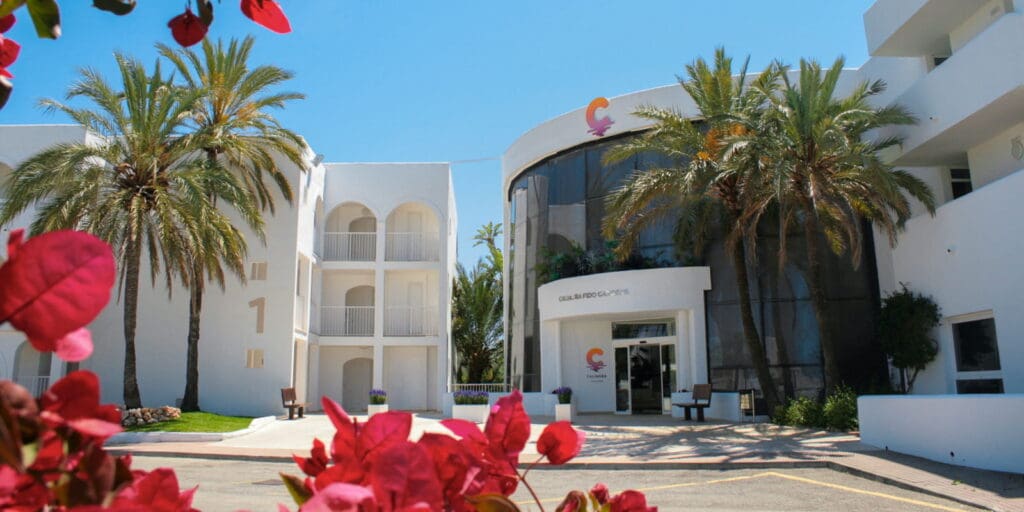
Visitors staying at Fido Tucán or Calimera Fido Gardens in Cala d’Or can use the 515e bus route to travel directly to Palma while the seasonal summer service is operating. The service stops at several locations around Cala d’Or before continuing towards Palma.
Travelling by car can also be very convenient. The only factor to bear in mind is the distance, as the journey takes approximately one hour.
Visiting during each season
Each season affects the light, temperature and amount of time that can comfortably be spent outdoors. The basic route can be followed throughout the year, although the order and duration of the stops should be adapted to the conditions on the day.
- Spring: an ideal time to walk around the city and even explore areas such as Bellver Castle
- Summer: it is advisable to travel to Palma early and visit indoor attractions during the hottest hours of the day.
- Autumn: the milder temperatures are ideal for exploring the city on foot
- Winter: some monuments have shorter opening hours, which should be taken into account. It also gets dark between five and six o’clock in the afternoon
Frequently asked questions about Palma
Finally, here are the answers to some of the most common questions asked by people looking for things to do in Palma or planning a one-day excursion from another part of Mallorca.
What can you see in Palma in one day?
Can Palma be explored on foot?</p> <p>
How much time is needed to visit Palma?
What are the main things to do in Palma if you only have one day?
How do you get to Palma from Santa Ponça?
How do you get to Palma from Cala d’Or?
Visiting Palma (Mallorca) in one day is certainly possible, as it is not a particularly large city and its main attractions are concentrated in the old town. The morning is ideal for exploring the principal historic sites, while the afternoon can be dedicated to cultural attractions.