
When is the best time to go to Mallorca? Although summer tends to be the favourite season for many people due to the holiday period, the truth is that the island has plenty to offer outside the hottest months. May, September and October, for example, are excellent times to explore Mallorca without having to endure sweltering temperatures.
Generally speaking, spring and autumn are two particularly interesting seasons in which to travel to Mallorca. The following sections therefore examine the advantages and disadvantages of visiting this Mediterranean island at each time of year.
Spring in Mallorca
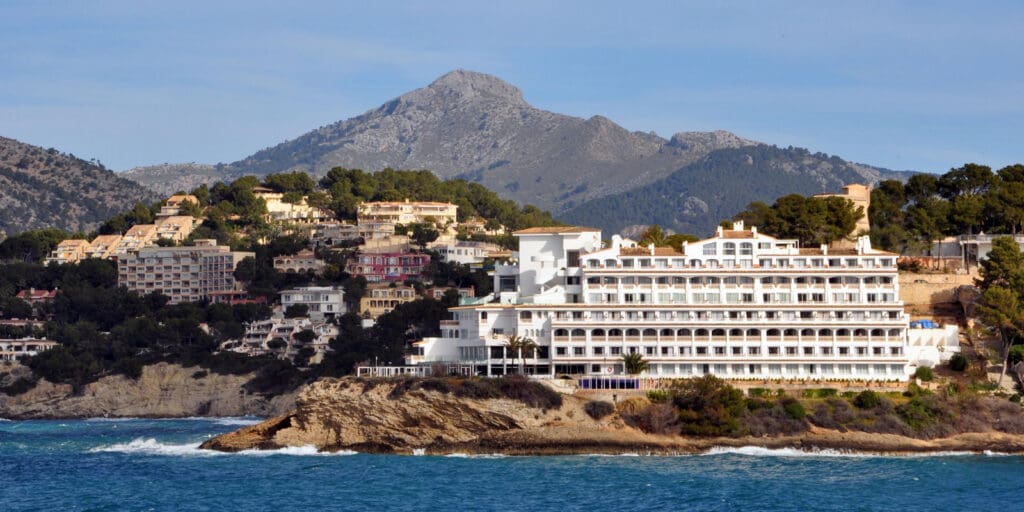
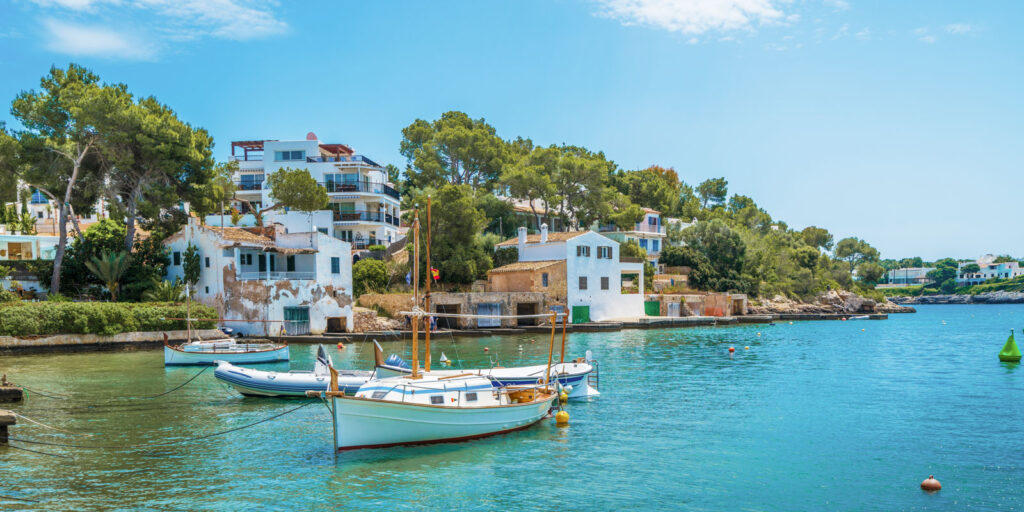
To begin with, spring in Mallorca gradually transforms the rhythm of the island. March can still bring some cool and changeable days, but April and, above all, May are much more inviting for spending time outdoors. At this time of year, areas such as Cala d’Or and Santa Ponsa gradually come to life as the start of the season approaches.
- March retains a cooler and quieter atmosphere
- April usually brings more pleasant daytime temperatures
- May clearly begins to offer warmer conditions
- Outdoor activities can generally be enjoyed more comfortably
The weather is undoubtedly the key factor. It is therefore always advisable to check the forecast using tools such as AEMET, Spain’s national meteorological agency.
For those who ultimately choose this season to visit Mallorca, these are the approximate opening dates of the Fido hotels. It is worth remembering, however, that these dates are only a guide and may change depending on the season:
- Hotel Fido Punta del Mar: mid-February
- Hotel Fido Tucán: early April
- Hotel Calimera Fido Gardens: early May
Pros of travelling to Mallorca in spring
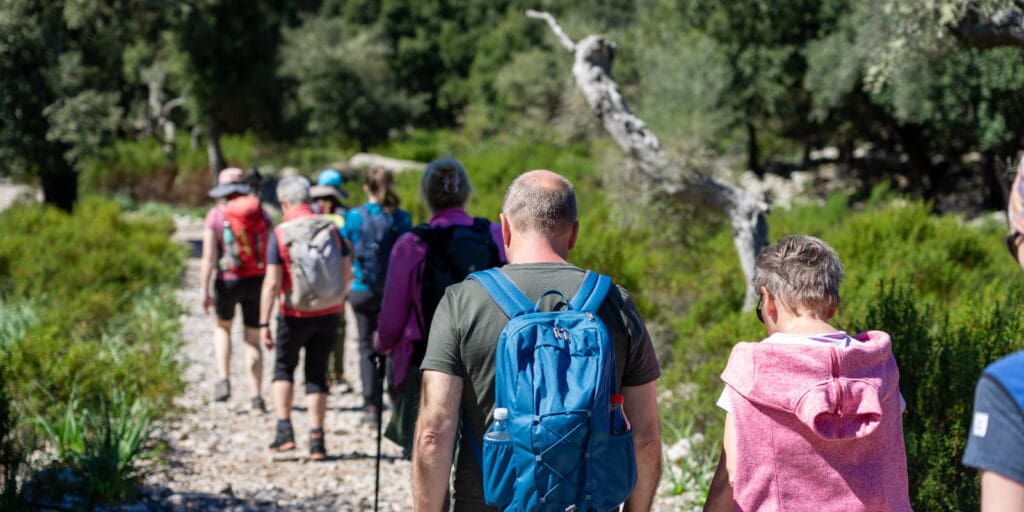
First and foremost, one of the main advantages of spring is the temperature. For those who enjoy walking, going on excursions or exploring different parts of Mallorca, this is an excellent time of year. Maximum temperatures in April and May are already well above 20°C and can occasionally reach 30°C, meaning the difference compared with places such as England or Germany can be as much as 10 degrees.
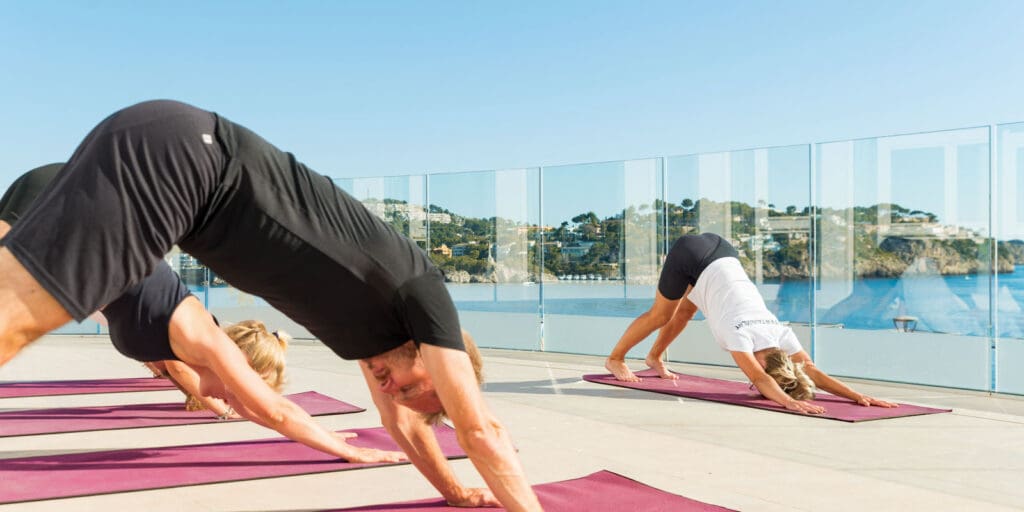
Many people choose spring because it allows them to explore the island by bicycle. This is hardly surprising, as the pleasant temperatures at this time of year are ideal for cycling, discovering the Serra de Tramuntana, exploring picturesque inland villages and sitting down to rest on a terrace.
One of the highlights of spring is Easter, which usually marks the beginning of the tourist season on the island.
- Pleasant temperatures: April and May are good months for spending several hours outdoors
- A good time for cycling: routes can be completed in more moderate temperatures
- Hiking and walking: natural areas are at their best for exploring
- Longer days in May: the days are noticeably longer and some can already feel completely summery
- A quieter atmosphere: it is the ideal time for those who want to enjoy areas such as Cala d’Or or Santa Ponsa more peacefully
- Easter: take the opportunity to discover deeply rooted traditions such as processions and the traditional food associated with this time of year
Cons of travelling to Mallorca in spring
However, travelling in spring may not be everyone’s favourite option. The differences between early April and late May are noticeable, especially when the main aim is to spend every day on the beach.
- The sea can still be cool: swimming in March is only suitable for the bravest visitors
- The water is more comfortable in May: although many people may still feel that it needs to be a few degrees warmer
- The weather can change: it is worth having alternative indoor plans in case outdoor activities are not possible
- Evenings can still be cool: packing a cardigan is a good idea, especially in March
In any case, if swimming in the sea is not the main priority for those choosing to discover Mallorca, spring will not disappoint.
Autumn in Mallorca
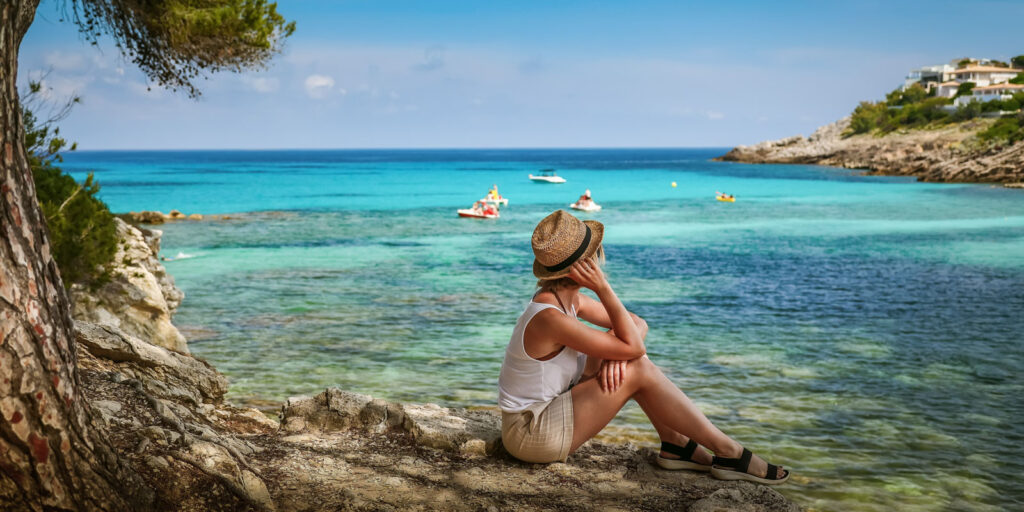
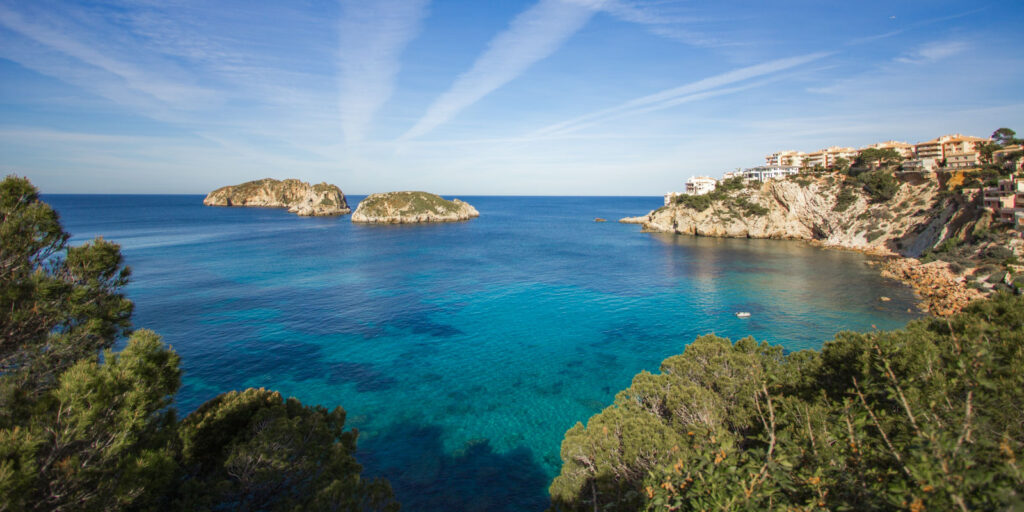
Autumn, meanwhile, is one of the best times to travel to Mallorca. The Mediterranean retains the heat accumulated during July and August for several weeks. For this reason, September and October are particularly appealing months for enjoying the beaches, as well as exploring the island’s other attractions.
Maximum temperatures in September still regularly exceed 30°C, and these temperatures can also be reached in October, although less frequently. For visitors arriving from places such as England or Germany, this can mean a difference of up to 10 degrees, making a trip to Mallorca in autumn particularly tempting.
- September continues to offer distinctly warm conditions
- October provides milder daytime temperatures
- Although many Mallorcans may no longer choose to go to the beach, the water remains perfect for a swim
Pros of travelling to Mallorca in autumn
Unlike April or early May, the major advantage of autumn is the sea. September and October are still ideal months for swimming in Mallorca.
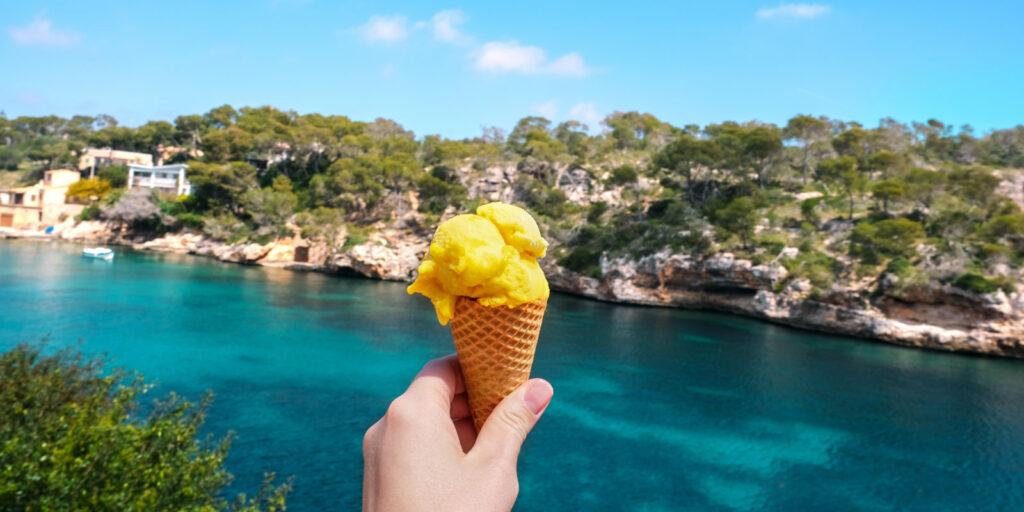
However, there is much more to Mallorca in autumn than the beach. From October onwards, for example, it is very common to find stalls or shops selling buñuelos, a traditional sweet treat associated with this time of year.
The final weeks of October also have their own special moments. Hotel Fido Punta del Mar in Santa Ponsa usually holds Halloween celebrations every year to mark the end of the season. What better way to celebrate than in a decorated hotel surrounded by other people in fancy dress?
Since Santa Ponsa has been mentioned, anyone visiting the area in autumn can also consult this complete guide to what to see in Santa Ponsa.
- The sea can be enjoyed in both September and October
- Tourist areas remain lively: visitors to Cala d’Or and Santa Ponsa can still enjoy everything these areas have to offer
- The weather is more suitable for longer outdoor activities: walking and exploring Mallorca become more comfortable
Cons of travelling to Mallorca in autumn
However, autumn is not simply an exact extension of summer. The further October progresses, the more important it becomes to remain flexible and have alternative plans for days when the weather changes.
- The weather can be more variable: there is a greater chance of rain than in July or August
- The days become shorter: although there is still plenty of daylight, the earlier sunsets start to become noticeable
- It can become cooler towards the end of October: a light jacket may be useful, especially early in the morning or at night
- Tourist activity begins to decrease: some seasonal establishments close as October comes to an end
It is therefore important to distinguish between September, early October and late October. September retains much of the summer atmosphere; the first weeks of October offer a very appealing middle ground; and the end of the month begins to reveal a quieter and cooler side of Mallorca.
Summer in Mallorca
Having considered spring and autumn, it is important not to overlook the tourist season par excellence: summer. June, July and August, with their long days and high temperatures, are the preferred months for many people wishing to enjoy a holiday on the shores of the Mediterranean.
What are the advantages of summer? And what are the less appealing aspects of this season?
Pros of travelling to Mallorca in summer
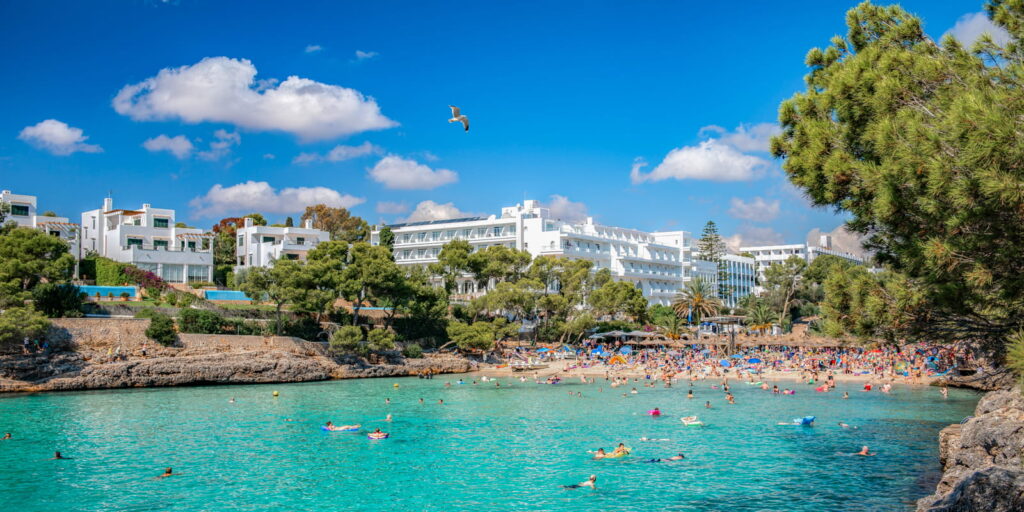
For anyone planning a holiday focused almost entirely on the sea, summer offers the most predictable conditions. Cala d’Or, Cala Egos and Santa Ponsa are idyllic locations for enjoying the beach and water-based activities.
- The sea is warmer: swimming sessions can last much longer
- The days are long: there is more time to organise activities in the morning and late afternoon
- Coastal areas are fully active: the tourist season reaches its peak
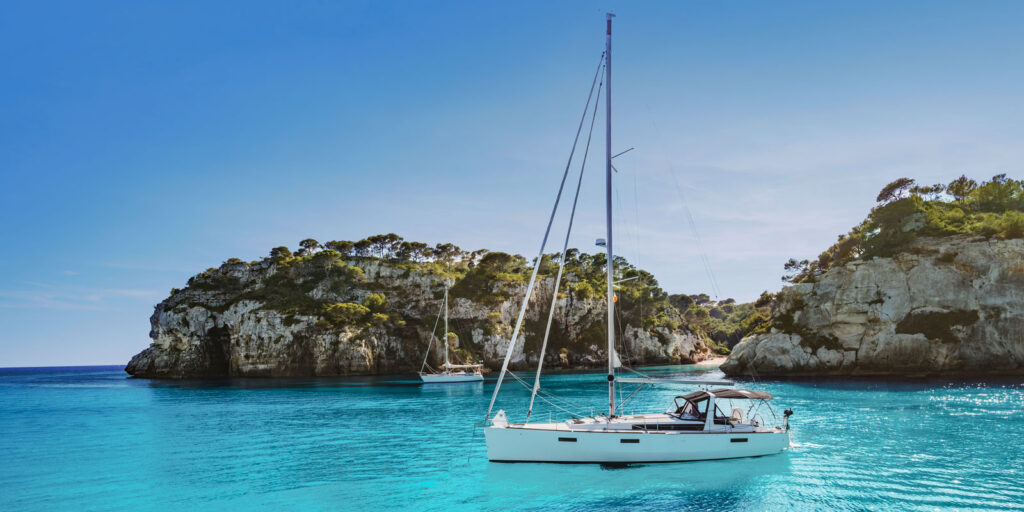
- Water-based activities take centre stage: it is an ideal time for boat trips and other sea excursions
- The beach can become the focus of the trip: the climate makes it easy to enjoy a holiday centred around the coast.
Cons of travelling to Mallorca in summer
On the other hand, summer is not automatically the best time for everyone. There are several factors worth considering:
- Temperatures are higher: they can occasionally reach as much as 40°C
- July and August are the heart of the high season: tourist activity is much greater and, as a result, there are far more people
- Beaches can be more crowded: in some cases, visitors may need to get up early to secure a space
- Demand for accommodation is higher: availability may be more limited on the most popular dates
If you travel in…
The specific month can make the decision considerably easier. Rather than looking for one perfect date that suits everyone, it is more useful to match each time of year with the main priority of the trip.
- March: a very good time for cycling and other physical activities.
- April: outdoor activities, sightseeing and Easter when it falls during this month
- May: pleasant temperatures, long days and the first clear opportunities for swimming
- June: a fully summery atmosphere without the intense heat of midsummer
- July or August: the busiest months for tourism in Mallorca
- September: temperatures remain warm and the sea is at an ideal temperature
- October: pleasant weather for enjoying the beach, hiking and other activities
Frequently asked questions about the best time to travel to Mallorca
When is the best time to go to Mallorca?
When should you travel to Mallorca to avoid crowds?
Which months have the best weather for outdoor activities in Mallorca?
When is the best time to travel to Mallorca for good-value accommodation?
When is the peak tourist season in Mallorca?
It is clear that the best time to travel to Mallorca is not necessarily summer. Anyone who has the opportunity to discover the island outside July or August will find a more relaxed atmosphere and the chance to explore places around ‘sa Roqueta’, as Mallorcans affectionately call the island, that they might not otherwise visit during the height of summer.